

Eyelid Surgery
In Boston
If you have ever been accused of having an “angry” look, have difficulty seeing due to drooping eyelids, or are even just unhappy with the appearance of your eyes, eyelid surgery could do a lot to change that. At Skin Health Centers, we provide our Boston Blepharoplasty (eyelid surgery) patients with wonderful results that leave them seeing their world in a whole new way. If you are tired of looking tired and feel like this could be a positive change for you, we have included more information on the procedure for you below.
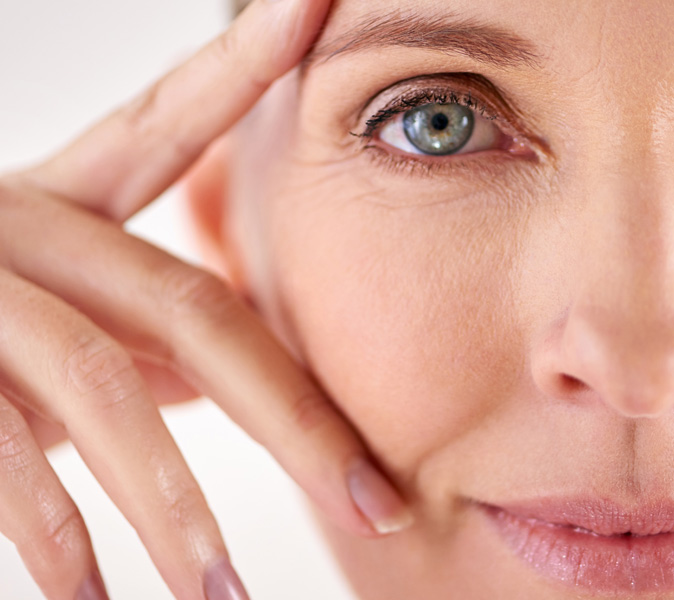


Cosmetic Eyelid Surgery (a.k.a. Blepharoplasty or slangily as an “eye job”) is an operation that corrects sagging, or drooping eyelids as well as bags and bulges around the eyes. These conditions develop as a result of laxity of the skin and protrusion of fat around the eyes.
Surgical correction is appropriate for all age groups, it’s not just limited to older patients, as many individuals can inherit a predisposition toward the development of fat pouches at an early age. Excess skin is treated by excision or occasionally by laser resurfacing. If excess fat is present, it can be removed simultaneously.
In some cases, the condition will be caused by other medical problems such as allergies or thyroid disorders. In these patients, the proper treatment may be medical rather than a surgical procedure.
Some patients may require attention to both lids, but sometimes a lower eyelid blepharoplasty or upper eyelid surgery will be able to yield the best results.
This cosmetic surgery can improve the appearance of the upper eyelids, lower eyelids, or both. The goal of blepharoplasty is to give the eyes a more youthful look so you look more rested and alert. Some of the other benefits we have noticed our Boston Eyelid patients experience are:
Most sagging and drooping that occurs in your upper eyelids are a natural result of aging, but can also occur due to injury or even certain diseases. Regardless of the reason, the sagging of your skin can become an obstruction to your vision in certain, more extreme cases. An upper lid Blepharoplasty will lift your tissue back into place and provide the skin around your eyes with a fresher and tighter appearance.
During your surgery, any excess or stretched-out fat, skin, muscle, and additional tissue is removed. The surgeon will reattach the remaining tissue which will tighten your eyelid and restore its proper function.
Your lower eyelids will naturally sag over time, and while it’s completely natural, many of our patients don’t care for the look of these “bags”. Although bags are a common occurrence for those who have had a sleepless night or a stressful day at work, when you are walking around with this look that won’t go away, it can have an impact on one’s self-confidence. A Lower Eyelid Lift can reverse your orbital tissue laxity by tightening the muscles and removing excess tissue or fat.
Your eyes are often the first thing people notice about you, and are an important aspect of your overall appearance. Young eyelid skin is smooth, but over time, the eyelid skin stretches, the fat bulges, and the muscles weaken. Age, heredity, and sun exposure all contribute to this process.
Any one or combination of the following conditions indicate that you may be considered a good candidate for eyelid surgery:
When it’s time for your Blepharoplasty, you will first be administered anesthesia in the form of general anesthesia or intravenous sedation, depending on what you discuss with your plastic surgeon during the consultation. Once you are fully sedated, an incision line will be strategically made so that the resultant scars are concealed with your eyelid’s natural structures.
Your eyelid will be corrected with an incision made in the natural crease of your eyelid, which allows for the removal or repositioning of any fat deposits, removal of excess skin, and muscle tightening of upper lids.
If your lower eyelid needs to be corrected, an incision will be made just below the lower lash line, allowing for skin to be removed and excess fat to be removed or repositioned. The surgeon may use a transconjunctival incision instead, which is made on the inside of your lower eyelid, which can correct certain conditions and remove or redistribute the excess fat with no skin removal.
The first step in getting an Eyelid Lift in Boston is contacting SkinHealth Centers and scheduling a consultation at your nearest location. When you come in, you will meet with Dr. Daniel Townsend to receive an evaluation of your eyelids.
You will be able to ask any questions you may have about the procedure and what you would like to achieve from the plastic surgery itself. Dr. Townsend will also ask you questions about your medical history, during which time it is very important to be honest and open with them as the information you provide will be used to help minimize any risks and give you the best opportunity for a successful and satisfied surgery.
The surgeon will create a customized surgical plan just for you based on your needs and aesthetic goals. If you agree with the plan made for you, our Patient Coordinator will help you schedule a date and time for your surgery.

After your surgery, you will be given some lubricating ointment and cold compresses to help minimize swelling and bruising. Since an upper and lower blepharoplasty is an outpatient procedure, you will be able to return home to comfortably recover in peace, but you should have a friend or family member available to provide a ride for you, as your eyes will be lightly covered with gauze.
You will be prescribed some medications that will aid with your healing and reduce the potential for infection, as well as given instructions on how to care for your eyes during the initial stages of healing, which will include wearing darkly tinted sunglasses.
Most patients can return to work within one to two weeks, however, it may take several weeks for the swelling to go down. You should be able to see the final results of your treatment within four to six weeks after your surgery.
In some instances, patients may experience some discoloration in their upper and lower eyelids. Should this happen to you, Light Chemical Peels or Fractional Laser Skin Resurfacing can be utilized to reduce its appearance.
The cost of a Blepharoplasty procedure in Boston will vary on several different factors, some of which are the degree of change necessary and which techniques are utilized. After having your consultation with our oculofacial surgeon, he will create your surgical plan and our Patient Coordinator will provide you with a price breakdown of your procedure.
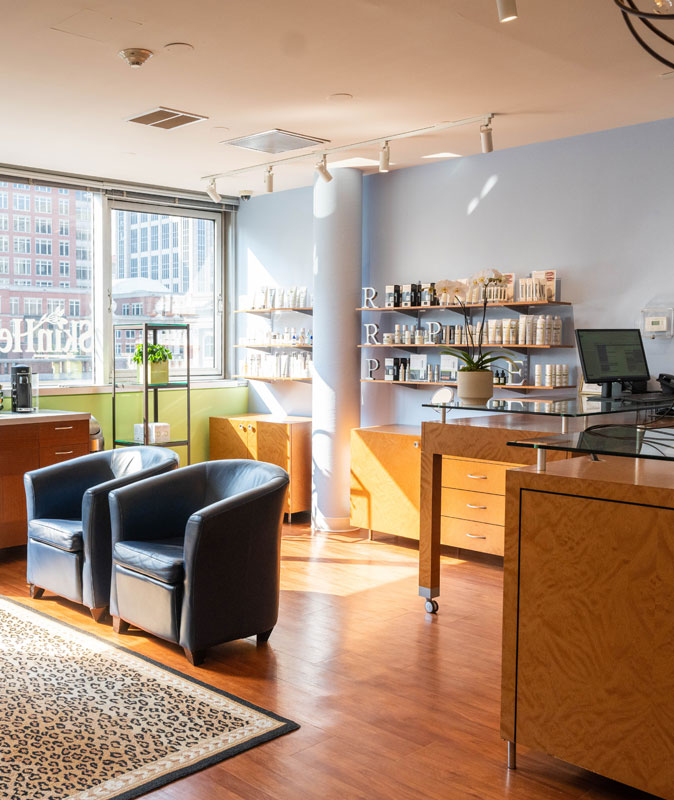
With over 22 years of servicing the Boston, MA area, SkinHealth Centers are staffed and run by professionals. Our entire team works together to personalize and deliver results that are best for each patient. Our founder, Cheryl Clarkson, created SkinHealth as a way to help Bostonians achieve fresh, vibrant skin at any stage of their life. Under her leadership, our staff strives to educate our customers and cut through the hype to offer products that have clinical and scientific merit.
Your eyelid surgery will be performed by Dr. Daniel Townsend who is one of the most established eyelid surgeons in the United States. Under his care and expertise, you’ll be in some of the most talented hands in the country.
If you feel that Eyelid Surgery in Boston could positively change your life, please call your nearest SkinHealth Centers for a consultation with one of our experienced and talented plastic surgeons. You can call us at (617) 267-7546 (Boston) or (781) 431-7880 (Wellesley), or request an appointment through our website today!
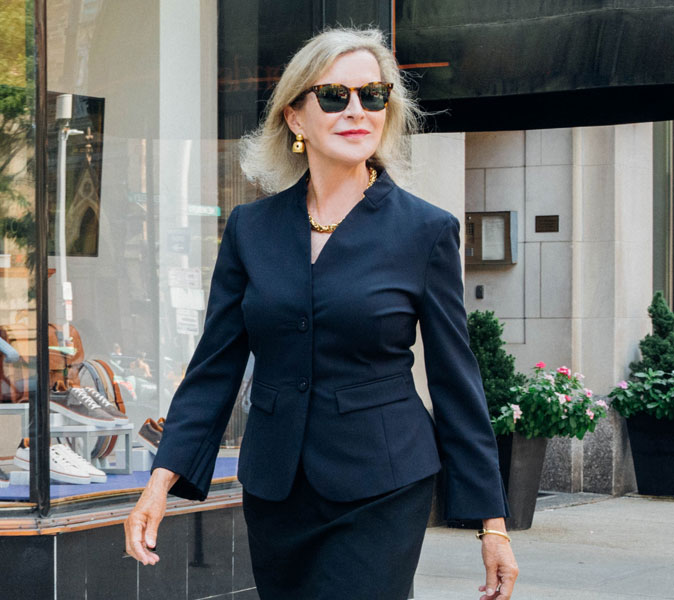
Cheryl Clarkson, Founder